Why More Women Should Be Taking Creatine (and What the Research Says)
When it comes to supplements that support strength, energy, mood, and longevity, creatine remains one of the most underutilized tools in women’s health, despite being one of the most researched.
But that’s starting to change.
In a recent post, women’s health expert Angela Foster highlighted a gap most people overlook:
“Women produce 20% less and consume up to 40% less creatine than men. This gap may affect strength, energy, recovery, mood, and even pregnancy outcomes.”
Let’s explore what the research says and how creatine can play a powerful role in supporting women’s health through all life stages.
💡 What Is Creatine and Why Do Women Need It?
Creatine is a compound stored in your muscles and brain that helps regenerate ATP (adenosine triphosphate), the body’s primary energy source for movement, recovery, and cognition.
Although both men and women make creatine naturally and consume it through animal-based foods like meat and fish, research shows that women make and consume significantly less.
That’s important because creatine plays a major role in:
- Muscle strength and recovery
- Cognitive performance
- Energy metabolism
- Bone density
- Mood and sleep regulation
🔬 What the Research Reveals
One of the most comprehensive scientific reviews on creatine and women’s health, published in Nutrients in early 2024, examines the compound’s effect on women across multiple life stages.
PMID: 40371844
Key findings from the research:
✅ Builds and maintains lean muscle
✅ Preserves bone strength
✅ Improves hydration at a cellular level without bloating or weight gain
✅ Delays fatigue and enhances workout performance
✅ Linked to longer sleep and improved mood
✅ May support fetal development during pregnancy
✅ Promising for perimenopause and menopause, though research is still developing
Angela Foster explains,
“From midlife, women lose around 1.5 lbs of muscle per year. Creatine, combined with resistance training, helps protect strength, improve bone structure, and support longevity.”
🌊 Creatine Myths: No, It Doesn’t Make You Bloated
Many women avoid creatine because of outdated fears around bloating or weight gain.
The truth? Creatine pulls water into muscle cells, not under the skin, helping with:
- Cellular hydration
- Performance
- Recovery
This effect is especially useful during the luteal phase of the menstrual cycle when hormonal shifts can cause fluid retention and fatigue.
🧠 Creatine’s Role in Sleep, Mood, and Mental Energy
Sleep disruption, low mood, and fatigue are some of the most common complaints among women, especially in midlife.
Creatine supplementation has been shown to:
- Support brain energy metabolism
- Improve total sleep duration
- Enhance mood and focus
These effects make it especially beneficial for women navigating perimenopause, high stress, or intense training.
📚 Related Research:
- Creatine for Mental Fatigue in Women (https://pmc.ncbi.nlm.nih.gov/articles/PMC7998865/)
- Sleep & Mood Benefits of Creatine (https://pmc.ncbi.nlm.nih.gov/articles/PMC5435551/)
🤰 Creatine and Pregnancy: A New Frontier
According to Angela Foster, nearly 60% of pregnant women consume less creatine than recommended through diet alone. This may have real implications for maternal and fetal health.
Emerging studies show that maternal creatine supplementation may:
- Increase fetal brain creatine levels
- Protect against hypoxia-related injuries
- Improve postpartum energy and recovery
📚 Clinical evidence is still developing, but you can explore current trials here:
Creatine and Pregnancy: Clinical Overview
🔁 What About Perimenopause?
While we don’t yet have large-scale creatine studies in perimenopausal women, research in postmenopausal populations is promising.
Potential benefits include:
- Increased lean mass
- Improved bone mineral density
- Reduced fatigue
- Enhanced cognitive function
Angela Foster highlights the need for more targeted research but emphasizes that creatine may be a powerful ally during hormonal transition.
🧪 What Kind of Creatine Should You Take?
The most studied and effective form is Creatine Monohydrate, simple, pure, and highly bioavailable.
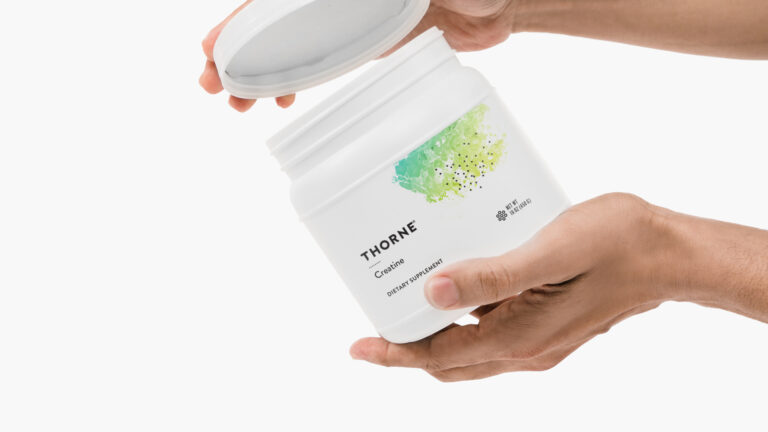
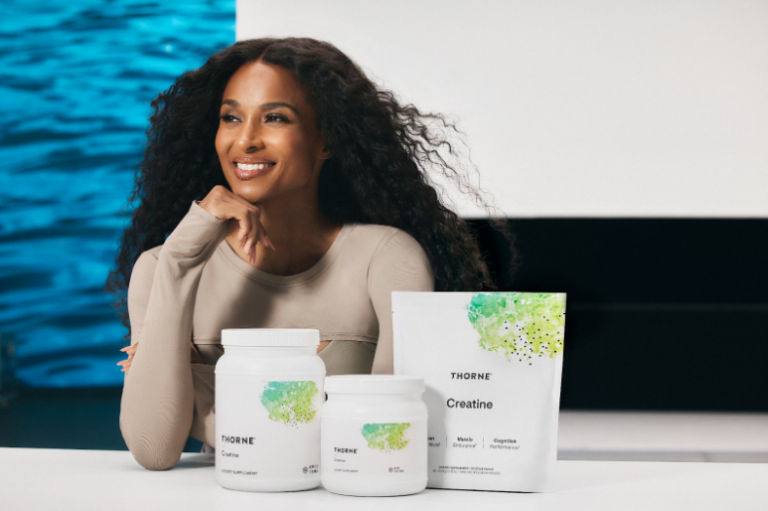
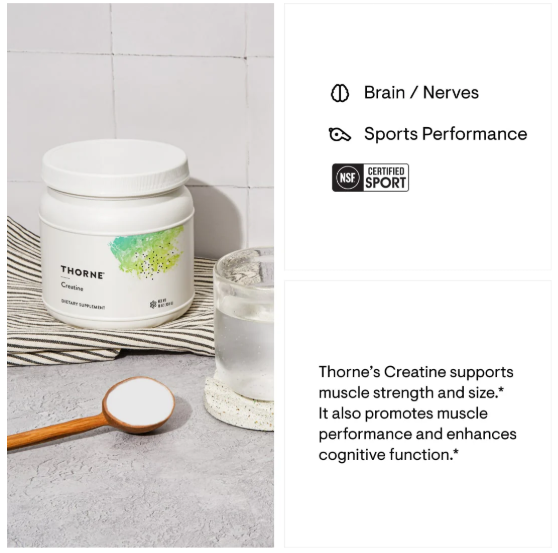
We recommend Thorne Creatine, a pharmaceutical-grade powder that’s:
- NSF Certified for Sport
- Vegan and unflavored
- Clinically dosed at 5g per scoop
It dissolves easily, is tasteless in water, and is used by elite athletes and everyday women alike.
Through APEX PWR, you can access Thorne supplements at a 25% lifetime discount, making long-term health strategies more affordable.
📝 How to Take Creatine
- Dose: 5g per day
- Timing: Any time of day (with or without food)
- Loading phase? Not necessary
- Consistency: Daily use yields the best results
Angela Foster puts it simply:
“I take 5g creatine every single day. It’s one of the most promising, under-used tools in women’s health today.”
👉 With our 25% off lifetime discount on Thorne supplements, staying consistent with creatine becomes sustainable and accessible.
✅ The Bottom Line: Creatine Is Safe, Smart, and Backed by Science
Creatine is not just for bodybuilders. It’s for:
- Women trying to build strength
- Moms needing more energy
- Athletes seeking recovery
- Women navigating menopause
- Anyone wanting better brain function, mood, and sleep
It’s clinically backed, affordable, and simple to use and yet, many women still don’t take it.
At APEX PWR, we use Thorne Creatine with our clients because it’s effective, high-quality, and backed by research. And with your 25% lifetime discount, you can add creatine to your wellness toolkit without unnecessary cost barriers.
💬 Want a Link to All Our Favorite Supplements?
We use Thorne Creatine every day and recommend it for most of our female clients.
If you want a curated list of our favorite evidence-based brands for women’s health, just:
👉 Click here and we’ll send you the full list.
Build your health with confidence, backed by science.
Previous Blogs
When Should You Take Supplements? (Stop Wasting Your Money)
When Should You Take Supplements? (Stop Wasting Your Money) If you’re investing in high-quality supplements, the last thing you want to do is waste them. At APEX PWR, we regularly recommend supplements to adults to help them fill in the gaps with their nutrition, from vitamin D and magnesium to protein and creatine. But here’s
Stop Chasing Weight. Chase What Your Weight Is Made Of.
Stop Chasing Weight. Chase What Your Weight Is Made Of. We know weight loss goals are one of the most popular out there, and they can be good, but you can also miss the bigger picture. Some people get infatuated with chasing “skinny” and forget about “strong”. This week, we focus on weight loss goals
Training Reduces Injury Risk: Why Strength Training Is Essential for Youth Athletes
Training Reduces Injury Risk: Why Strength Training Is Essential for Youth Athletes Injury prevention is one of the biggest concerns for youth athletes, parents, and coaches. While warm-ups, stretching, and agility drills all play a role, research continues to show that strength training is the most effective tool for reducing injury risk. A 2024 systematic